Summer humidity in Wood River can be relentless, and an air conditioner that struggles or fails turns comfort into a daily hassle fast. Over the years working with hundreds of homes in the area I have learned to read the machine and the house like a doctor reads symptoms. Some problems call for a simple tune-up. Others require prompt repair to avoid a costly compressor replacement, or worse, a safety hazard. This guide explains the common and subtle signs that your home needs AC repair, how to prioritize fixes, and what to expect when you call a local technician such as B & W Heating & Cooling.
Why noticing early matters Ignoring small issues with your air conditioner almost always increases repair cost later. A dirty coil or low refrigerant can make the compressor work harder, shortening its life by years. A small refrigerant leak left unchecked becomes an environmental issue and a major repair bill. Beyond money, there is the comfort and health angle. Uneven cooling, humidity that will not drop, or systems that cycle constantly can lead to sleepless nights and increased allergens indoors. Spotting problems early also gives you choices. You can plan for an off-peak repair or replacement, shop for competitive quotes, or schedule service when it is most convenient.
Five clear warning signs to act on now If you notice any of the following in your Wood River home, arrange an inspection. These are not minor quirks; they point to mechanical wear, airflow issues, electrical faults, or refrigerant problems. Acting quickly often saves parts, labor, and stress.
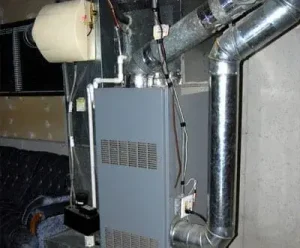
How these signs map to likely problems When a technician arrives, they do more than swap parts. They diagnose root causes and assess whether the unit is worth repairing. Below I explain how the visible symptoms link to common faults, and why simple fixes sometimes mask deeper trouble.
- Cooling shortfall: If the system runs continuously but fails to reach the set temperature, start with airflow. Dirty filters, blocked return vents, and clogged coils reduce heat exchange. If airflow checks out, the next suspects are low refrigerant or a weakened compressor. Low refrigerant is often due to leaks; topping up without repairing the leak is a temporary fix and against best practice. Compressor issues are expensive, especially on units older than ten years. Noise complaints: Rattles and clunks often come from loose panels, failing fan motors, or debris in the outdoor condenser. Grinding or screeching is more serious and indicates bearings wearing out or a failing blower motor. Hissing that persists usually traces to a refrigerant leak along a copper line or fitting. Compressors making loud clunking noises at startup can signal internal mechanical failure. Energy spikes: The single most common cause of rising electrical use is poor maintenance. Dirty coils reduce efficiency by as much as 20 percent in some cases. A failing contactor or capacitor in the outdoor unit causes higher amperage draw. Older systems with single speed compressors and inefficient SEER ratings are inherently more costly; upgrade economics come into play if repairs approach half the replacement cost. Short cycling: Thermostat placement matters. A thermostat in direct sun or near a heat source gives false readings that cause short cycles. If thermostat issues are ruled out, electrical faults, low refrigerant, or an oversized system are likely. Replacing a thermostat is cheap; replacing a mismatched, oversized system is not. Determining which requires measurement and experience. Water problems: A blocked condensate drain is a quick, inexpensive fix. Ice on the coil suggests restricted airflow or refrigerant problems. Water inside the house often shows up at the indoor coil or drip pan. In some homes the drain pan can be cracked, which requires replacement before wood damage begins.
When to call B & W Heating & Cooling versus wait Minor issues like a dirty filter can be handled by a homeowner, but many AC problems require trained technicians. Here is a practical way to triage.
If the problem involves unusual sounds, refrigerant hissing, large temperature gaps, visible ice, leaks, or electrical tripping, call a professional immediately. These symptoms can indicate safety or environmental hazards and can damage the system quickly.
If the issue is a slightly higher bill, minor uneven cooling limited to one room, or a filter that is visibly clogged, you can perform basic checks first. Change the filter, ensure vents are open, clear debris around the outdoor unit, and confirm the thermostat is set appropriately. If the problem persists after those steps, schedule service.
Event-driven timing matters too. During peak summer weeks many contractors are busy. Address a concerning symptom early in the season to avoid emergency "same-day" premiums and long wait times. B & W Heating & Cooling and other reputable local firms often offer preventive maintenance plans that include priority scheduling. That can be worth the annual fee for homeowners who rely on reliable cooling.
What a professional inspection looks like A thorough inspection takes 30 to 90 minutes depending on the system size. Expect the technician to do the following.
- confirm thermostat operation and temperature differentials across the supply and return vents, which identify whether the system is moving heat efficiently. check refrigerant charge with gauges if temperatures and pressures suggest imbalance. Leaks require repair and a verified recharge. inspect the blower motor, belts, and fan blades for wear and clearance. clean or evaluate coils, both indoor evaporator and outdoor condenser, because dirty coils are the most common efficiency killer. test electrical components, including contactors, capacitors, and safety switches, and measure amp draw to spot failing motors. evaluate the condensate drain and pan for blockages and damage, and test the overflow safety switch where present.
Technicians should explain findings in plain language, show you measurements when useful, and offer repair options with itemized costs. Expect honest guidance about whether repair or replacement is the most sensible route for that particular home and budget.
Cost considerations and trade-offs Repair costs depend on the fault and the age of the unit. Simple fixes such as replacing a capacitor or contactor may run a few hundred dollars including labor. Refrigerant leaks can be more expensive because they involve locating and repairing the leak, then recharging the system. Compressor failures are among the most expensive single repairs, often running into thousands for replacement plus labor, particularly if the compressor model is obsolete or warrants line set evacuation.
Age matters. For systems under ten years old, repairs are usually economical. Between ten and fifteen years the decision depends on the repair cost relative to the system value. Above fifteen years many technicians recommend replacement, because even after a repair the older unit will likely fail again within a short period. Newer systems achieve better SEER ratings and can lower annual energy costs by 10 to 30 percent compared with older equipment, depending on previous performance and usage patterns.
One real-world choice I often help homeowners evaluate involves capacitor or compressor failures. Replacing a capacitor is inexpensive and can bring life back to a system for years. Replacing a compressor on a 12-year-old unit tied to an older R-22 refrigerant system often makes little sense. R-22 has been phased out, so recharge costs and availability become a problem. In such cases a full replacement with modern refrigerant and higher efficiency may be the better investment.
DIY checks you can do safely There are a few safe checks any homeowner can perform before calling a technician. These save time and sometimes eliminate false alarms.
Change or inspect the air filter. A clogged filter reduces airflow and stresses the blower. Most household filters should be changed every 1 to 3 months in cooling season.
Clear the area around the outdoor unit. Remove leaves, grass clippings, and debris so the condenser can exhaust heat. Maintain at least two feet of clearance.
Check circuit breakers and the outdoor disconnect. Sometimes tripped breakers or a pulled disconnect are the only reason the unit is off. Reset only once and call a pro if the breaker trips again.
Listen for abnormal sounds while standing a few feet away. Try to localize where the sound is coming from indoor or outdoor. Note whether it occurs at startup, when the compressor kicks in, or continuously.
Measure indoor versus outdoor temperatures and the air coming from supply vents. A typical healthy system will produce a 15 to 20 degree temperature drop across the evaporator coil and deliver noticeably cooler air at the supply registers.
When to replace rather than repair Repair versus replace is not a purely technical question, it is financial and practical. Consider replacement sooner when you see a pattern of repairs, when the unit is more than 12 to 15 years old, or when repair cost approaches 40 to 50 percent of a new system. Think about how long you plan to stay in the house, and whether higher efficiency would offset the investment through lower energy bills. Also weigh indoor comfort needs; modern systems control humidity and deliver more even cooling than older units.
Choosing a contractor in Wood River IL Local knowledge matters. Technicians familiar with Wood River understand how regional humidity patterns and summer heat affect load calculations and system sizing. When interviewing contractors ask for proof of license, insurance, references, and experience with your system brand. Request written estimates and a breakdown of parts and labor. If you plan to replace the system, ask for projected energy savings based on current bills and realistic usage.
B & W Heating & Cooling has served homes in this area for years, offering diagnostic experience, maintenance plans, and transparent pricing. A reputable company will show you clear diagnostics, explain trade-offs, and recommend solutions aligned with both immediate needs and long-term value.
Final practical tips for Wood River homeowners Prepare now before the heat arrives. Schedule preventive maintenance in spring, when contractors are less busy and parts are more readily available. Keep a log of service visits, dates, and recurring problems, because patterns tell a technician more than a single snapshot. Invest in a programmable or smart thermostat to reduce unnecessary runtime, and seal ductwork if you notice cold spots or high humidity. If your system AC maintenance uses R-22 or is older than a dozen years, budget for eventual replacement and start obtaining quotes when the unit shows early signs of trouble.
A properly maintained air conditioner is quieter, more reliable, and cheaper to operate. Small problems left unattended often compound. Whether you need a diagnostic, a repair, or a full replacement, an informed, prompt decision preserves comfort and protects your investment. If you are seeing any of the warning signs described here, reach out to a qualified local technician such as B & W Heating & Cooling for an inspection. Early action keeps summer manageable and prevents the scramble for emergency service on the hottest days.
B & W Heating & Cooling
3925 Blackburn Rd, Edwardsville, IL 62025
+1 (618) 254-0645
[email protected]
Website: https://www.bwheatcool.com/